
A positive test came in – and now suddenly your body is feeling different. Some symptoms you didn’t expect. Some that are worrying you. And some that are making you wonder, “Is this normal?”
The first trimester – from week 1 to week 12 – is the most intense physical journey of pregnancy. So many changes at once!
Today I’ll tell you – what to expect each week, which symptoms are common, when to worry, and who to deal with first.
First understand this – every mother is different!
First and foremost – every pregnancy is different.
Some moms have a lot of symptoms, some have none at all. Both are perfectly normal. It’s also common for symptoms to be different in one pregnancy and different in another.
So don’t compare yourself to others – listen to your body!
First Quarter Review
In the first trimester, babies develop very quickly — from a single-celled fetus! And your body is working hard to make dramatic changes — so symptoms can be severe.
Key hormones that cause symptoms:
- hCG – the pregnancy hormone that pregnancy tests detect, causes nausea.
- Progesterone – maintains pregnancy, regulates menstruation and digestive symptoms
- Estrogen – breast changes, nausea
Week 1-2 — Not pregnant yet!
As we discussed earlier – pregnancy weeks 1-2 are technically without a period and ovulation.
There are no pregnancy symptoms — because fertilization has not yet occurred!
Week 3 – Fertilization and Implantation
What happens if the egg and sperm meet – and the blastocyst travels through the uterus?
Possible symptoms:
Implantation bleeding: Some women notice very light spotting – pink or light brown. This is not a period – it could be a sign of implantation. Lasts 1-2 days, not as heavy as a period.
Mild cramping: Mild cramping – due to implantation.
Most women: don’t feel anything – completely normal!
Week 4 – Pregnancy test positive!

The hCG level is now high enough for a pregnancy test to detect it.
Common symptoms in week 4:
Missed period: The biggest and most obvious sign!
Breast tenderness: Breasts may feel sore, heavy, or sensitive – due to hormones. Bras can feel uncomfortable.
Fatigue: Fatigue that seems unexplained – the body is working too hard!
Mild nausea: Some moms-to-be start feeling mild nausea as early as week 4 – usually peaks at week 6.
Frequent urination: Kidneys are working hard – bathroom trips are very difficult.
Mood swings: Suddenly crying over something – or happy – hormones!
Bloating: Progesterone slows down the digestive system – bloating is common.
Week 5 — Symptoms begin to intensify.
Baby’s heartbeat is starting to beat – and your symptoms usually become more noticeable by the week.
Week 5 symptoms:
Morning sickness begins: Nausea may be more pronounced now – remember, this is not a surf!
Sensitivity to strong smells: Suddenly, certain smells – cooking, perfume, petrol – seem overwhelming or nauseating.
Breast changes continue: Nipples become deeper. Areola (dark circle) may enlarge.
Extreme fatigue: You may feel extra tired this week — first trimester fatigue is real!
Food aversions: Things you used to love – suddenly become unbearable. Meat, coffee, eggs – common aversions.
Light spotting: Some moms may have light spotting as early as week 5 – see your doctor if you’re concerned.
Week 6 — Morning sickness peaks!
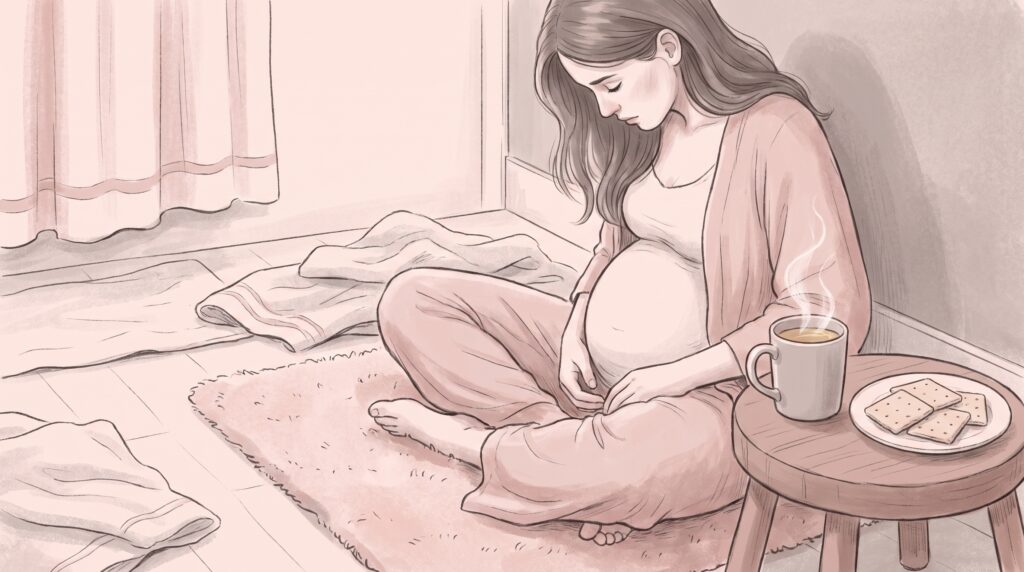
Baby’s heart beats for the first time — and nausea usually peaks at week 7 for moms!
Week 6 Symptoms:
Morning sickness: Feeling clear now — anytime. Some experience nausea, others vomiting.
hCG Peak Ki Taraf: hCG levels are rising rapidly — so there are symptoms that feel intense.
Headaches: Headaches are common due to hormonal changes and increased blood volume.
Metallic taste (Dysgeusia): A strange metallic or bitter taste in the mouth – a very common pregnancy symptom, but don’t overdo it!
Increased salivation: Many mothers experience increased salivation – especially with nausea.
Emotional sensitivity: Overreacting to everything – crying at movies, getting upset over small things – completely normal!
Week 7 — Body Adjusting
Baby is developing very quickly — brain cells are making 100 every minute!
Week 7 symptoms:
Nausea continues: May still be severe — peak period is underway.
Constipation: Progesterone slows down the digestive system — constipation is a common symptom of pregnancy.
Gas and bloating: Digestive system will slow down and this will also increase
Breast development: Breasts are noticeable and may become larger — bra size may change!
Dizziness: A slight drop in blood pressure and changes in blood sugar can cause dizziness, especially when there is a sudden rush.
Acne: Hormones affect the skin – pimples can appear even if they never appeared before.
Week 8 – Week of severe symptoms.
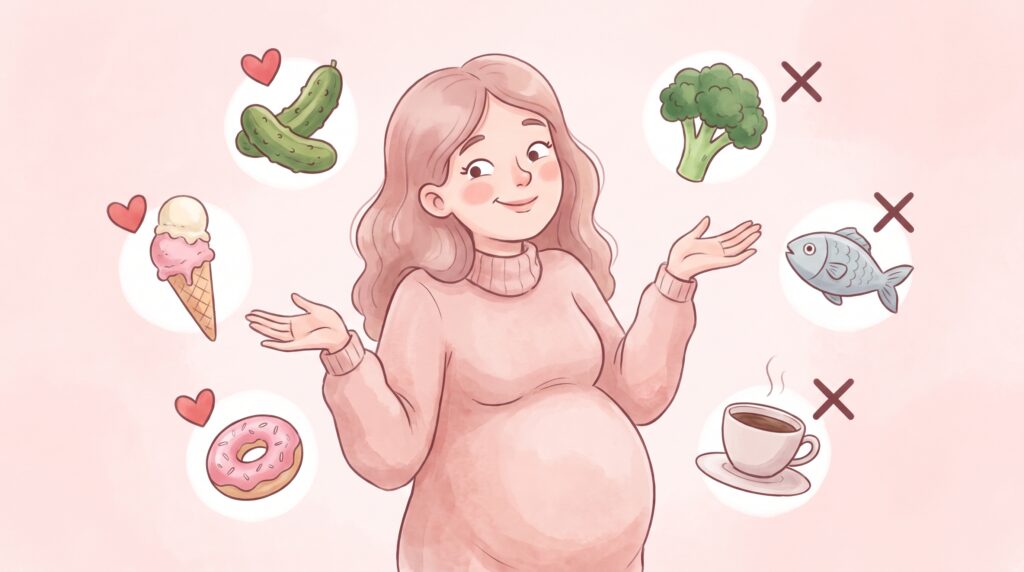
The baby is now the size of a raspberry – and symptoms are usually most severe in the first trimester.
Week 8 symptoms:
Morning sickness at its worst: What a week it’s been, and all the moms think it’ll never go away — but it will! Remember.
Breast tenderness – very severe: Breasts may be so sore they’re hard to touch.
Frequent urination – severe: The uterus is growing and putting pressure on the bladder.
Girdle starting to feel tight: The baby bump you can’t see yet — but the swelling and growing uterus may make clothes feel tight.
Food cravings: Wanting to eat a lot of one thing – suddenly! And not eating some things at all.
Week 9 — Waiting to get a little better
Baby starts to make its first movements (which you can’t feel yet) – and hormones start to stabilize a bit.
Week 9 symptoms:
Nausea — hopefully starting to ease: Some moms-to-be find it nice to feel a little better by weeks 9-10. Some still feel the same.
Lucid dreams: It’s very common to have very vivid, strange dreams during pregnancy – due to hormonal and sleep changes.
Mood is a little more stable: As hormones stabilize a little, mood may improve a little.
Skin changes: Some moms start to get the “pregnancy glow” — increased blood flow. Some have oily skin or acne.
Pelvic pain: A sharp pulling sensation in the sides or lower abdomen — the ligaments of the uterus are stretching as the uterus grows. This is normal, but it feels sudden!
Week 10 — Halfway through the first quarter!
The baby is now called a fetus – and the most important period of development is officially almost over!
Week 10 Symptoms:
Energy returns: Some moms-to-be feel a little better in week 10 – fatigue may subside
Improvement in nausea (hopefully!): HCG levels are at their peak
Visible veins: Blue veins may be more visible on the chest and breasts – blood volume has increased
Minimal weight gain: There is usually a 1-2 kg weight gain in the first trimester – mostly due to the baby, placenta, and extra blood.
Week 11 – Almost there!
Baby’s fingers are separated — and the first trimester is almost over!
Week 11 symptoms:
Morning sickness eases: Most moms experience a lot of nausea by weeks 11-12.
Appetite returns: As nausea improves – appetite returns!
Baby bump begins: Still barely noticeable in first-time moms — but starts to show a little in second-time moms.
Headaches ease: Hormones stabilize and reduce headaches.
Week 12 – First trimester complete!

The risk of miscarriage drops dramatically – and more moms are starting to announce their pregnancy!
Week 12 Symptoms:
Energy significantly improved: Most moms feel much better after week 12 — the second trimester “honeymoon period” is about to begin!
Nausea almost gone: For most moms, nausea is essentially gone by weeks 12-14.
Baby bump more visible: The uterus is now above the pelvic bones — the bump is starting to show a little.
Skin glow: Increased blood volume leads to skin glow.
Symptoms that should be seen by a doctor immediately
There are some symptoms that are not common – in visiting a doctor:
🚨 Heavy bleeding – period-like or more 🚨 Severe pain – period-like bleeding with severe pain 🚨 High fever (over 38 degrees Celsius) 🚨 Severe vomiting – nothing is stopping it – nothing is stopping it – early symptoms especially (sign of ectopic pregnancy) 🚨 Fainting 🚨 Burning sensation when urinating (sign of UTI)
First Trimester Symptoms — Quick Reference
| Hafte | Main symptoms |
|---|---|
| Week 3-4 | Missed period, breast tenderness, mild fatigue |
| Week 5 | Nausea, vomiting, sensitivity to smell, mood changes |
| Week 6 | Severe morning sickness, headache, metallic taste |
| Week 7 | Constipation, bloating, dizziness. |
| Week 8 | Symptoms at the peak, frequent urination, urge |
| Week 9 | Vivid dreams, round ligament pain |
| Week 10 | Energy returns, nausea improves |
| Week 11 | Return of appetite, reduction of symptoms |
| Week 12 | Energy much better, nausea mostly gone. |
Frequently Asked Questions
Q: If you don’t have morning sickness, is your pregnancy not okay? Absolutely! About 20-30% of mothers don’t have morning sickness – this is a normal variation and not an indication of the baby’s health.
Q: Symptoms suddenly disappeared after week 8 – are you worried? If your symptoms are gradually disappearing – this is normal. If your morning sickness suddenly disappears completely and you are concerned – see your doctor for peace of mind.
Q: What is the difference between implantation bleeding and your period? Implantation bleeding: Very light, pink or brown, 1-2 days. Period: Heavy, red, normal period.
Q: Why does a metallic taste occur during pregnancy? Hormones affect the taste buds and salivary glands – this is called “dysgeusia”. It usually improves after the first trimester.
Q: What is round ligament pain and is it normal? Yes, it’s completely normal! The ligaments of the uterus are stretching – sharp, stabbing pains are felt in the side, usually with movement. It sounds scary but is harmless..
The last thing
The first trimester – This is honestly the hardest part of pregnancy physically. The fatigue, the nausea, the mood swings – all at once.
But remember this too – it’s all happening because your body is performing a miracle. It’s creating a whole human being from one tiny cell – and your body is doing it without any instructions, completely on its own.
After week 12 – Most moms-to-be feel much better. The “honeymoon period” of the second trimester is real – the energy returns, the nausea goes away, and the baby bump grows
So for now – take care of yourself, do the rest, and celebrate every little milestone, Karen. You’re doing great. 🌸
What was the most unexpected symptom you noticed in the first trimester? Let us know in the comments! And follow our TikTok @babygrowthlab for more helpful facts like this!
This article is for educational purposes only. Please consult your doctor about any symptoms you may experience.