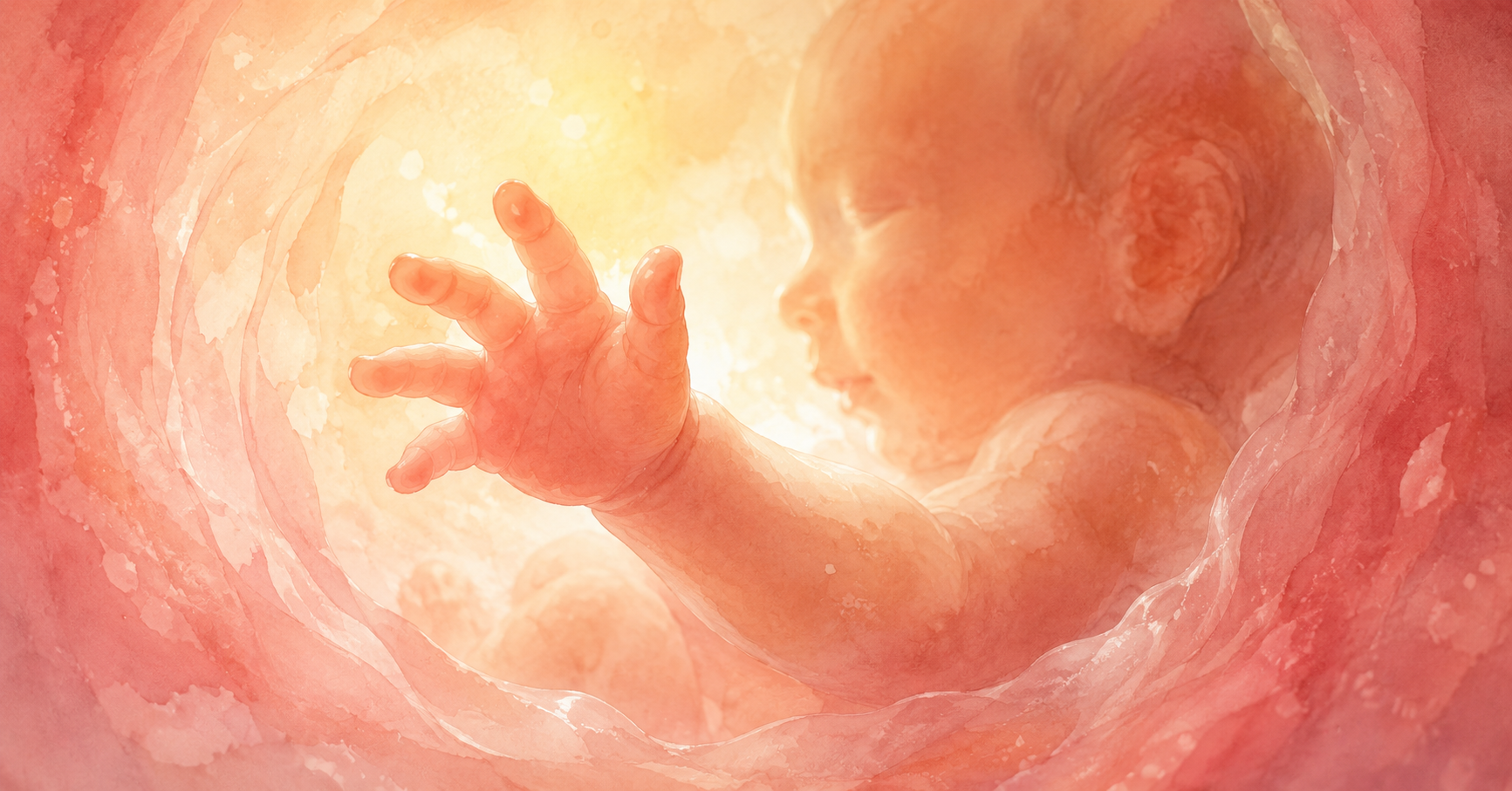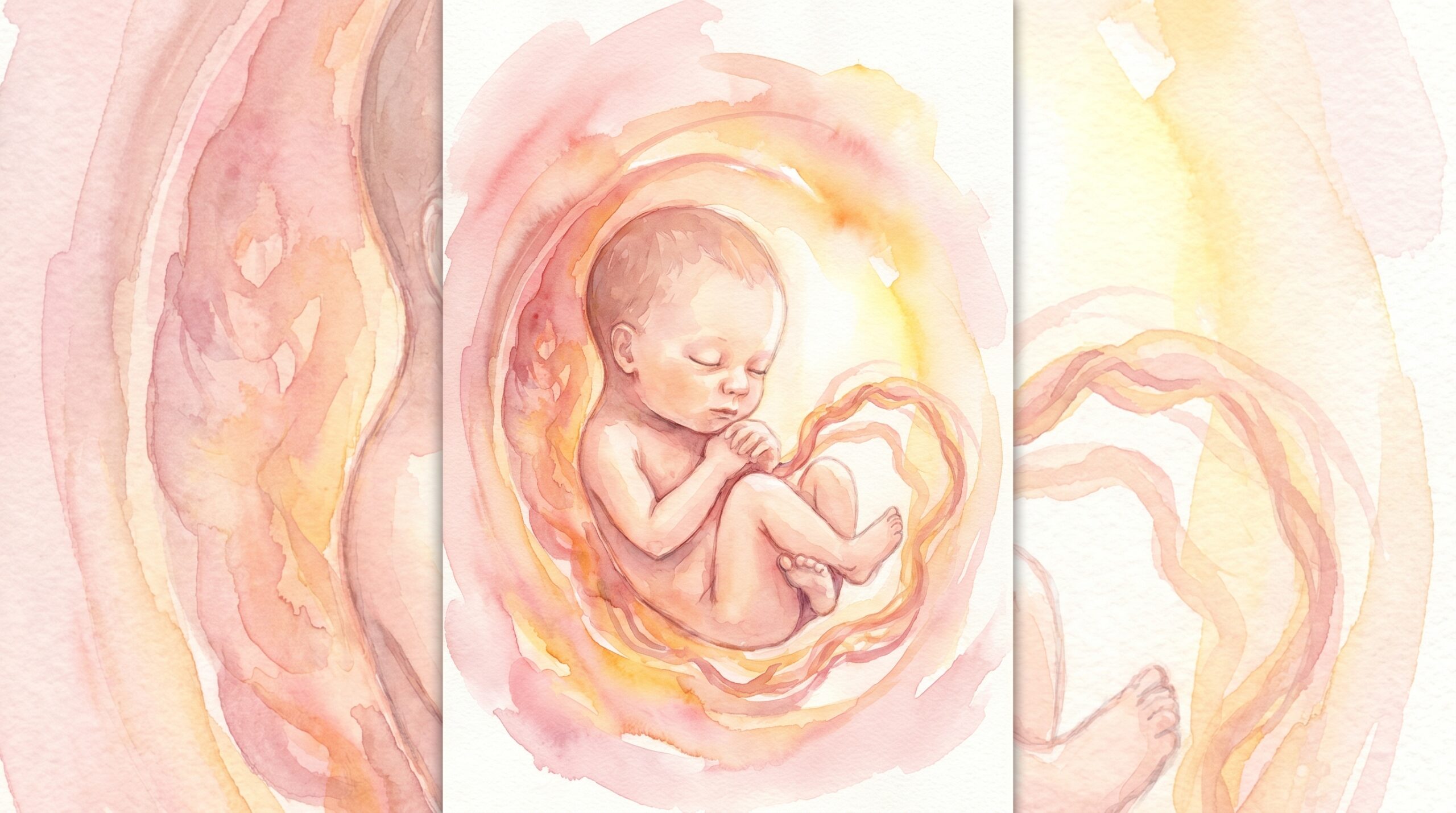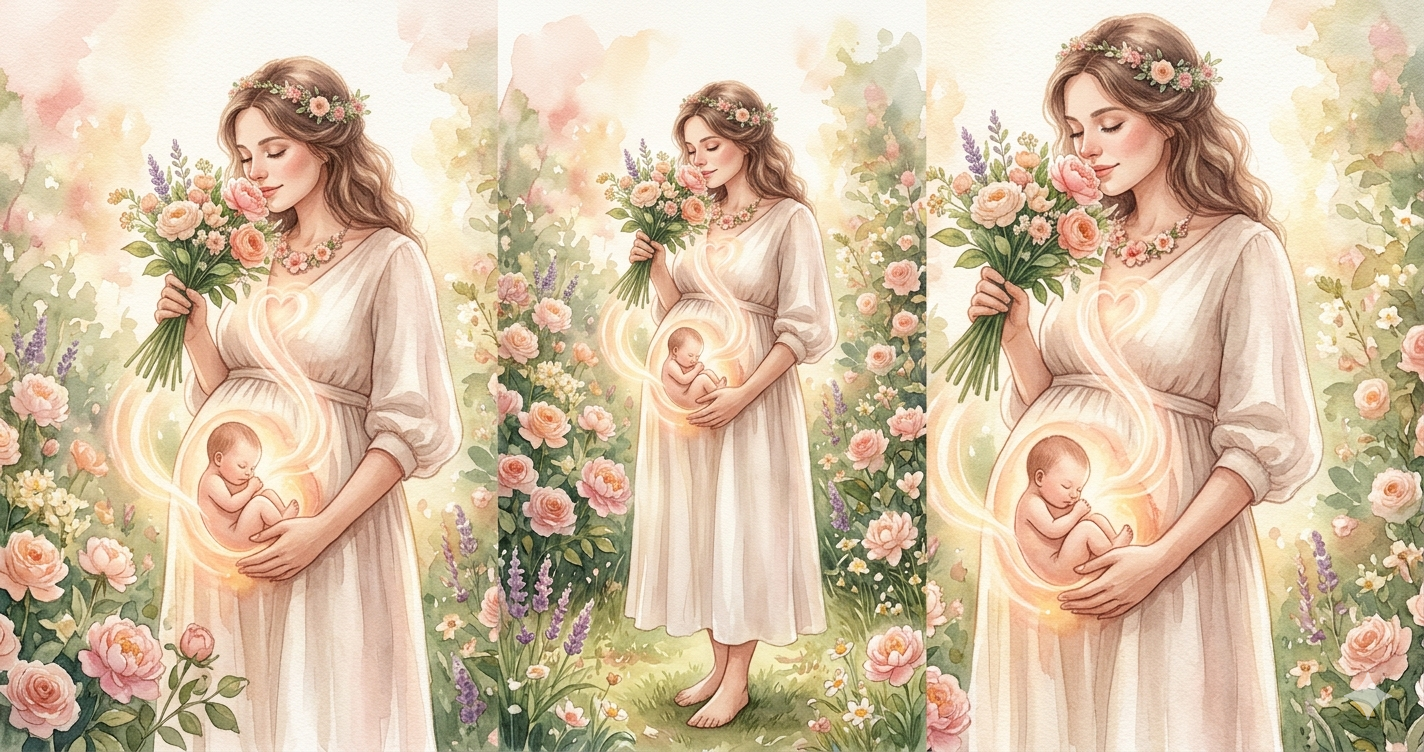
Just imagine—you’re in the kitchen cooking a meal. The aroma of spices is spreading throughout the house. And inside the womb, your baby is also sensing this aroma!
It may sound surprising, but it’s absolutely true. A baby’s sense of smell develops inside the womb—and after birth, this sense becomes a powerful tool for bonding as well.
Today, I’ll tell you everything about a baby’s sense of smell—when it begins, what the baby can smell, and just how powerful this sense is.
Smell Sense — When Does It Start?
After touch, smell is also one of the senses that develops very early!
In Week 8–9 — the structures of the nose begin to form. Tiny nasal passages start developing.
In Week 11–12 — the olfactory system (the smelling system) begins to develop. This is the system that carries smell signals to the brain.
In Week 24–28 — the sense of smell becomes properly functional! The baby can now detect different smells present in the amniotic fluid.
What Does a Baby Smell Inside the Womb?
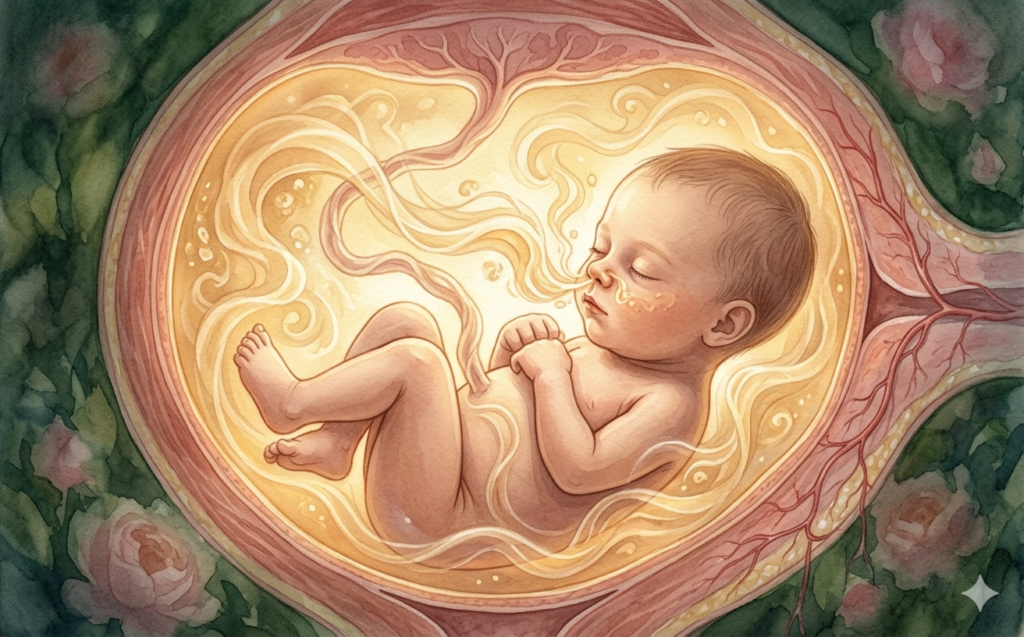
Here’s an interesting twist — the baby technically doesn’t “smell” the way we do, because there is no air in the nose!
The baby detects smells through the amniotic fluid. And this fluid contains different scents and flavors — which come directly from what you eat!
Meaning:
- If you eat garlic, the amniotic fluid will have a slight garlic smell.
- If you ate spicy food — baby can detect it.
- If you ate something sweet, there will be sweetness in the fluid.
How amazing is this! The baby becomes the “taste tester” of your cooking from the very first day!
Week 28+ — Smell Memory Begins to Form.
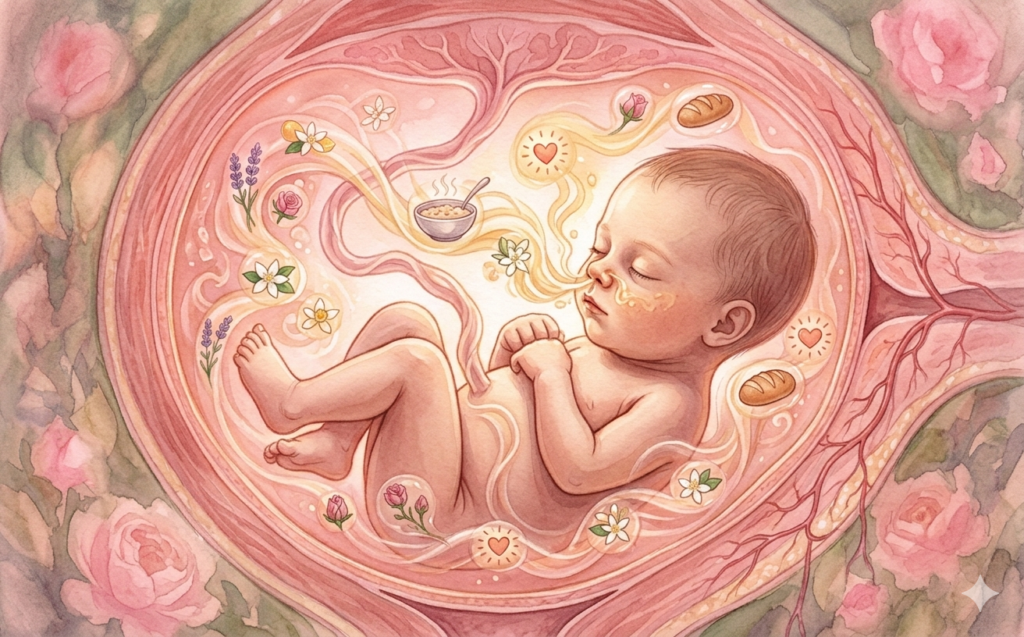
This fact is the most mind-blowing!
After week 28, a baby’s brain develops so much that it starts remembering smells. These smell memories are stored in the brain — and they continue to be useful even after birth!
Research says that newborn babies:
- Can recognize their mother by smell immediately after birth.
- They are calmed by the smell of amniotic fluid — because it is familiar.
- They tend to prefer the smells of the foods their mother ate during pregnancy.
The Amazing Sense of Smell After Birth.
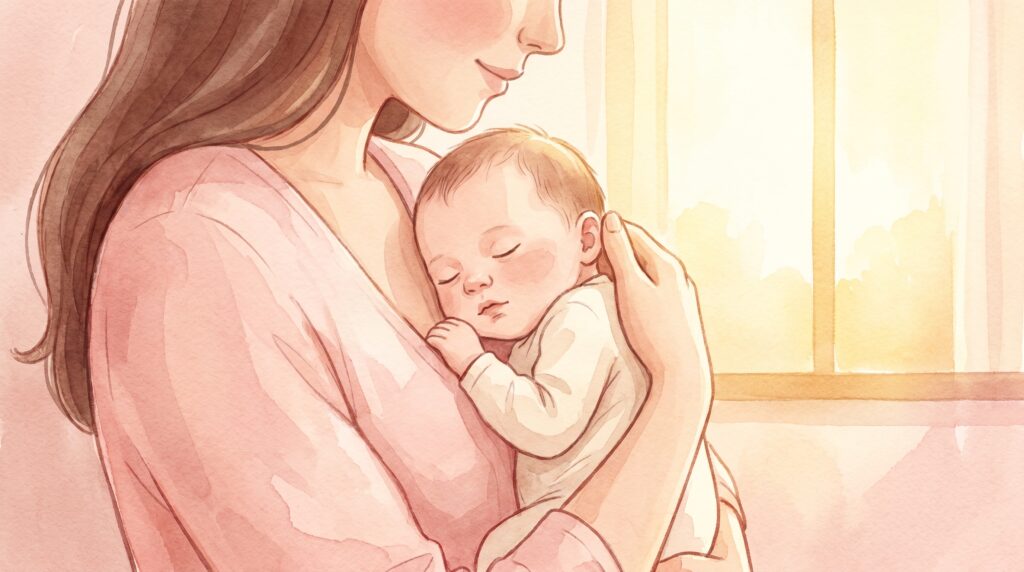
When a baby is born, their sense of smell is already very strong — and it does some amazing things:
Recognizing the Mother: Newborn babies can recognize their own mother from any other person just by smell! In one study, newborns were given different pads — and the babies always preferred the pad that belonged to their mother.
Helping with Feeding: A baby naturally follows the smell of breast milk — it is this sense of smell that guides them toward feeding!
Finding Comfort: Familiar smells — such as the mother’s body scent or smells similar to amniotic fluid — make the baby feel calm and safe.
Interesting Research — Smell and Food Preferences
There are some amazing studies on this topic:
Study 1: Mothers who ate more garlic during pregnancy—their babies reacted neutrally or positively to the smell of garlic, whereas other babies reacted negatively!
Study 2: Mothers who drank carrot juice during pregnancy—their babies liked the carrot flavor in cereal more!
Study 3: Babies who were placed near the smell of amniotic fluid—remained calmer and cried less!
All of this shows that what you eat during pregnancy—the baby doesn’t just taste it, but also “learns” which smells and flavors are safe and familiar!
Does a mother’s smell calm babies?
Yes — and this is scientifically proven!
When newborn babies feel stressed, they calm down immediately when they are close to their mother’s body smell. That’s why:
✅ Skin-to-skin contact is so powerful. ✅ Keeping a mother’s clothes near the baby can help the baby feel calm. ✅ Breastfeeding is naturally calming — the smell is also one of the reasons.
Smell Development Timeline
| Week. | What happens? |
|---|---|
| Week 8-9 | The nose starts to develop. |
| Week 11-12 | The olfactory system starts developing. |
| Week 24-28 | The sense of smell starts working. |
| Week 28+ | Smell memories start forming. |
| Birth | The sense of smell is fully active — it can recognize its mother. |
The effect of smells during pregnancy
You may have noticed that smells feel stronger during pregnancy — this happens due to hormonal changes. But the interesting thing is:
The smells you experience more often during pregnancy become familiar to the baby later on as well!
This means:
- If you use a particular perfume, the baby may recognize it as a familiar smell.
- If you cook food in ghee, that smell may feel comforting to the baby.
- Your natural body smell becomes the most familiar and comforting smell for the baby.
Frequently Asked Questions
Q: When does a baby start smelling in the womb? Around weeks 24–28, the sense of smell becomes properly functional — but the nasal structures start forming much earlier, around weeks 8–9.
Q: Can the baby smell my cooking? Technically, yes — through the amniotic fluid the baby can detect smell and flavor molecules. So what you eat affects the fluid, and the baby can sense it!
Q: How does a newborn recognize its mother? Mainly through smell! Newborns can distinguish their mother’s unique body scent from any other person — this is a sense that develops in the womb.
Q: Can eating specific foods during pregnancy change a baby’s food preferences? Research suggests yes — the flavors and smells the baby is exposed to in the womb can later feel more familiar and acceptable to them.
Q: Is it safe to wear perfume during pregnancy? Generally, mild perfumes are considered safe, but some mothers may feel nausea from strong smells. It’s better to avoid strong chemical-based fragrances and prefer natural, mild scents.
Last thing
Smell sense — so simple, so basic, yet so powerful. A baby begins life by recognizing its mother’s scent — a familiar, comforting smell learned in the womb.
This connection — this recognition — does not start with words, but with smells. Long before anything else, deep and real.
So today, whenever you cook something nice or smell a pleasant fragrance — remember, your baby is sharing that moment too, in its own small world inside you. 🌸
Feel free to share this article with an expecting mother! And follow our TikTok for more amazing facts every day.
This article is for educational purposes only. For any medical concerns, please consult your doctor.