Have you ever wondered if your baby feels something when you eat your favorite food?
This is not a romantic idea – it’s science! A baby’s sense of taste develops in the womb, and he actually experiences “taste” through the amniotic fluid.
Today I will tell you – how and when does the sense of taste develop, what does the baby taste, and how does it shape our future food preferences. It’s really amazing!
Taste buds – when are they formed?
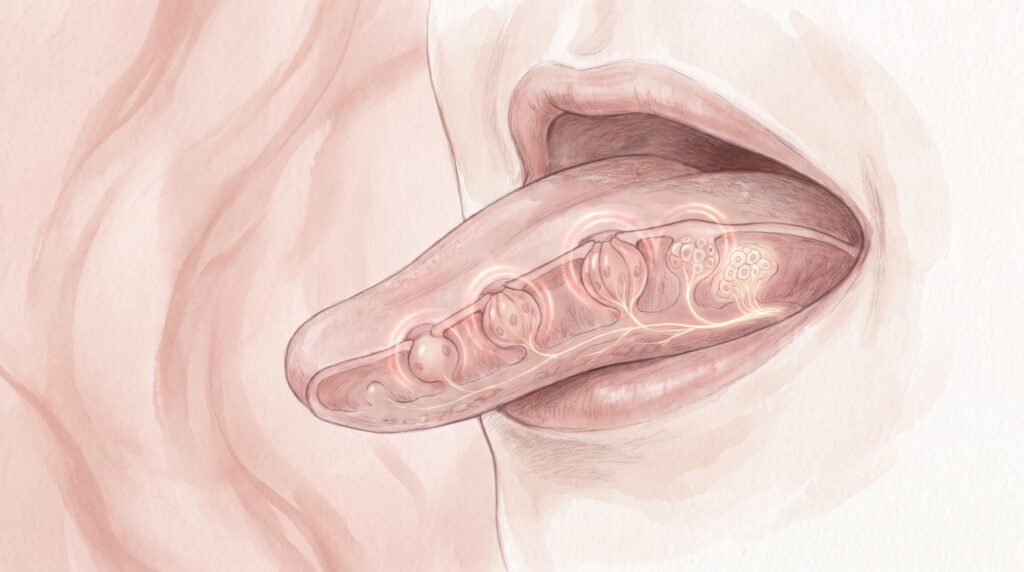
Taste buds start forming very early — and it’s amazing when they become functional!
Week 8 – Small structures begin to form on the tongue that will become taste buds.
Weeks 13-15 — Taste buds are fully formed and begin to become functional! This will be amazing — your baby will start to sense taste at around 3 months.
Weeks 20+ — Taste buds are fully mature and your baby is actively “tasting” the amniotic fluid.
What does a baby taste like in the womb?
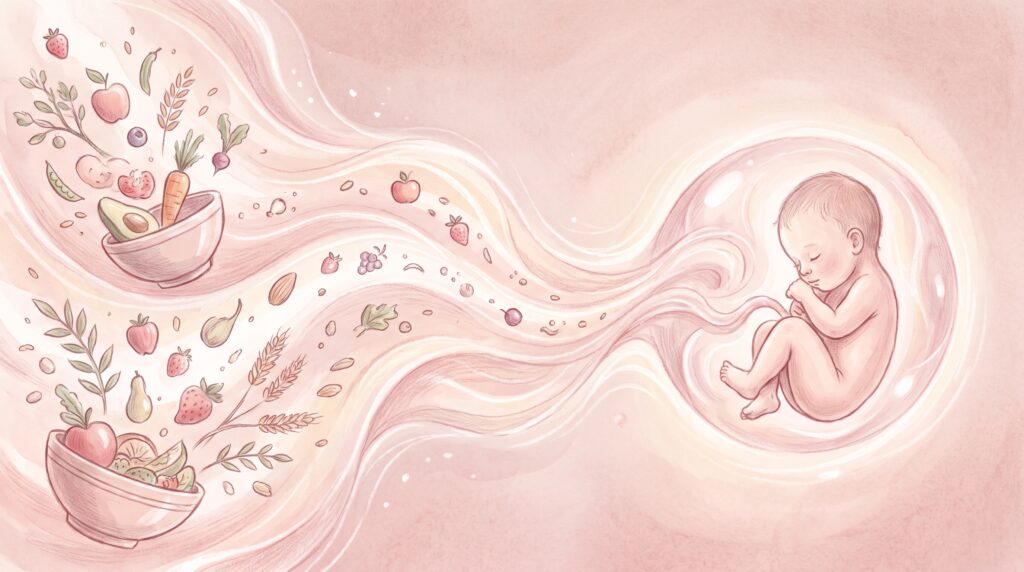
This is an interesting twist. Baby has taste buds – but where does the saying come from?
Amniotic fluid!
The baby is constantly swallowing amniotic fluid – this is part of normal development (digestive system exercise). And the fluid contains different flavors and chemicals – which are directly related to what you eat!
The process is something like this:
- You say it.
- Nutrients and flavor compounds are absorbed into the blood
- These compounds are found in the amniotic fluid through the umbilical cord.
- The child swallows fluid.
- Baby taste buds figure it out!
So literally – what you eat, the baby “enjoys” – in a slightly modified form!
Does baby prefer sweet or bitter?
This is an exciting area of research!
Studies have shown that babies naturally have a preference for:
Sweet foods: ✅ Babies swallow more when there are sweet flavors in the amniotic fluid — researchers observed that the rate of swallowing increased!
Bitter foods: ❌ When bitter compounds were injected into the fluid (in the study) — the baby’s swallowing rate decreased and they reacted!
Meaning: Babies naturally like sweet and avoid bitter — just like newborns and toddlers do!
What you eat – children learn
This is the most surprising part – and it can have a profound impact on a child’s life!
Research 1 – Garlic Study
In one study, pregnant mothers were given garlic capsules — and researchers observed whether the smell of the amniotic fluid would change. The baby detected the change!
Research 2 – Carrot Juice
In a famous study, pregnant mothers regularly drank guava juice. When their babies were given guava-flavored cereal — wow, babies readily accept the taste of the guava whose mother drank the juice during pregnancy!
Research 3 – Spicy food
Mothers who eat more spicy food during pregnancy — their babies are generally more familiar with and accept spicy flavors later.
Meaning: Eating a varied, healthy diet during pregnancy — introduces the baby to these flavors — and they accept those healthy foods more easily in the womb!
Why does this matter?
This surf is not just an interesting fact – it also has practical importance!
Picky eating can work: Eat a variety of foods during pregnancy — the baby already “knows” the flavors. After birth, these flavors do not seem strange — they seem familiar. This problem of picky eating can work a little!
Healthy food preferences: If you eat vegetables, fruits, healthy foods during pregnancy — the baby gets to know their flavors and accepts them more later.
Even in breastfeeding: This surf does not stop during pregnancy — the flavors of the mother’s food also come into breast milk! So breastfeeding also allows the baby to discover the diverse flavors.
What should you eat during pregnancy and why?
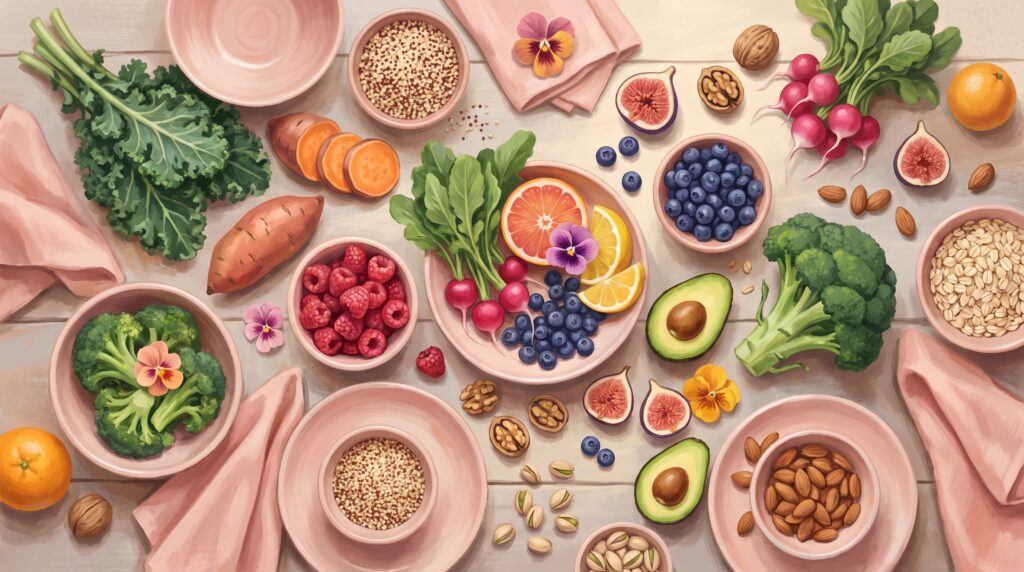
Keep taste development in mind – these things are helpful:
✅ A variety of vegetables — different vegetables will introduce the baby to their taste.
✅ Fruit – natural sweetness that the baby already prefers.
✅ Herbs and mild spices – for flavor diversity (some aunts say this makes the baby less fussy later on)
✅ Healthy whole foods – for overall nutrition as well as learning about taste
Interesting Facts — About the Sense of Taste
Fact 1: Newborns can immediately tell the difference between sweet and sour — this sense of taste is already developed in the womb!
Fact 2: The taste of amniotic fluid is constantly changing — multiple times a day — with the mother’s diet. The baby gets new tastes every day!
Fact 3: Babies who experience a wider variety of tastes in the womb are generally more cooperative when transitioning to solid foods!
Fact 4: The sense of taste works in tandem with the sense of smell — both develop together and are exposed to the toxins of amniotic fluid.
Fact 5: Adults have about 10,000 taste buds — babies have even more at birth! The sense of taste is most acute in early life.
Sense of taste after birth
When the baby is born – the sense of taste is already well developed:
The first thing he tastes: breast milk – which is naturally sweet (due to lactose). The baby accepts it immediately – because the sweet preference is already there!
When introducing first foods: Babies who have experienced the diverse flavors of amniotic fluid are usually more open to the transition to solids.
A few weeks later: Breast milk also contains flavors from mother’s food – the taste education continues!
Quick Timeline — Taste Development
| Week. | What happens? |
|---|---|
| Week 8 | Taste buds made of structures |
| Week 13-15 | Taste buds become functional. |
| Week 20+ | The child actively tastes the fluid. |
| Week 24+ | Clear taste preferences are visible. |
| Birth | Sweet preference strong, avoid bitter |
| After birth | Taste education through breast milk |
Frequently Asked Questions
Q: Can a baby really taste things in the womb? Absolutely! From around weeks 13–15, the baby’s taste buds become functional, and the baby can detect flavors through the amniotic fluid.
Q: Does the baby taste what I eat during pregnancy? Yes — in a slightly modified form. Flavor compounds are absorbed into the bloodstream and then reach the amniotic fluid, where the baby can taste them.
Q: Is it true that eating a variety of foods during pregnancy prevents the baby from becoming a picky eater? Research suggests that yes — exposure to different flavors in the womb may improve food acceptance later in life. However, it is not a guarantee, as genetics and other factors also play a role.
Q: Does a bitter taste cause the baby pain? No — the baby simply reacts by
The last thing
Think about it — every time you eat something during pregnancy, you’re not just feeding yourself — you’re introducing your baby to taste. Giving an introduction. Creating a first “food memory.”
How beautiful it is that the bond between mother and baby isn’t just physical — it’s sensory too. Taste, smell, sound — everything is shared, everything is connected.
So starting today, whenever you eat healthy, varied food — remember that you’re giving your baby a gift — their first introduction to the world of flavors. 🌸
Share this article with someone you’re hoping to meet! And follow our TikTok for more amazing facts like this every day!
This article is for educational purposes only. Please consult your doctor for any concerns.