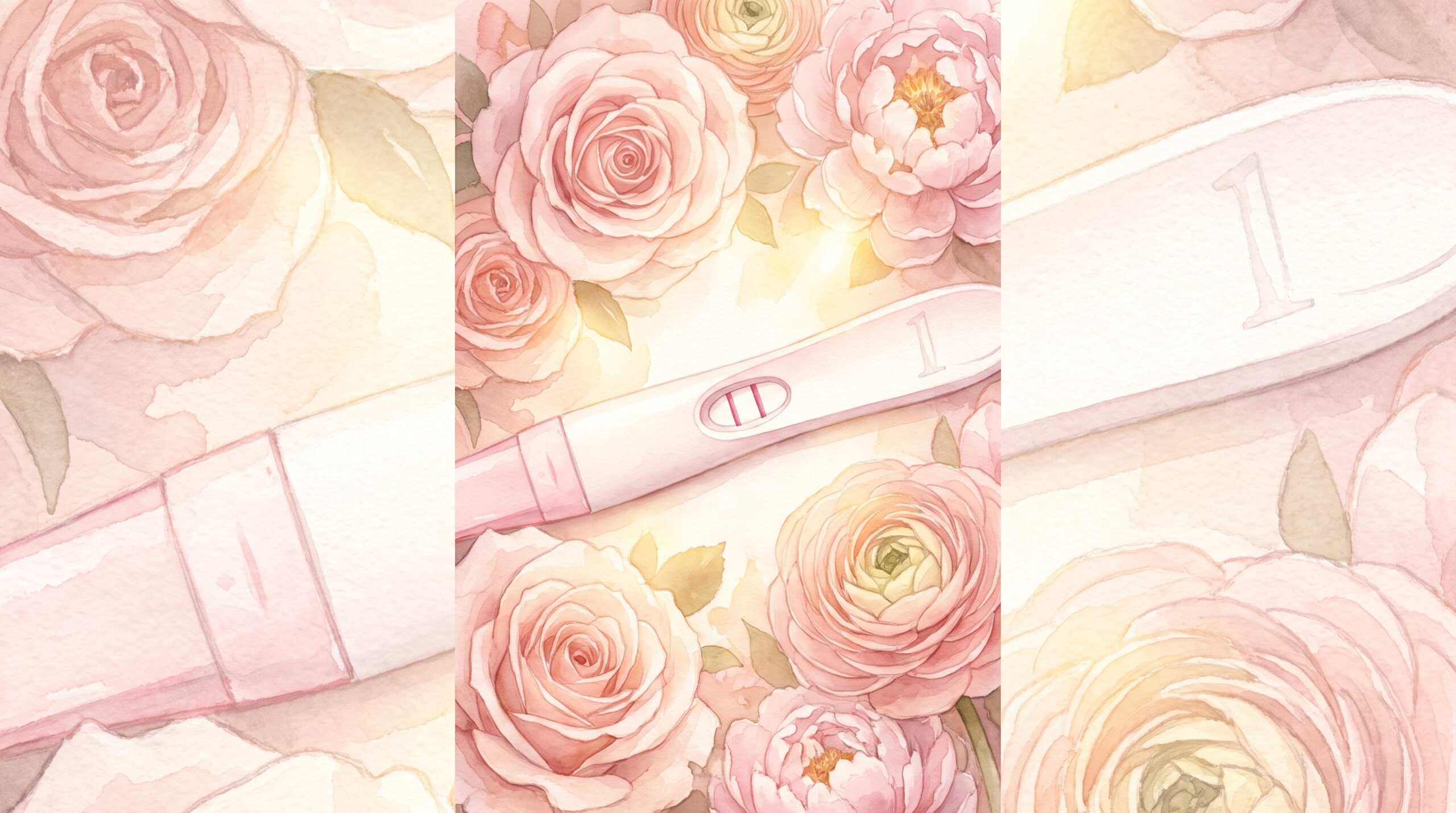
The story of pregnancy begins in a moment you can’t even feel — the meeting of one tiny cell with another. But it’s a journey that can change your life forever.
The first 4 weeks – the first month of pregnancy – are so exciting and so mysterious. Many mothers-to-be don’t even know they’re pregnant! And at that moment, a new human being begins to form in the womb.
Today I’ll tell you – from week 1 to week 4, the story of each week.
Week 1 – Before the “pregnancy” begins!
It sounds a little confusing — but doctors count week 1 of pregnancy from the time your last menstrual period (LMP) begins!
Meaning: In the first week, you’re not actually pregnant — your body is just getting started!
What happens What happens:
- The lining of the uterus is shedding (period).
- Follicles begin to form in the ovaries.
- The body is producing hormones that are preparing it for the next egg.
What it feels like: The usual symptoms – pain, bleeding, mood swings.
Week 2 — Ovulation
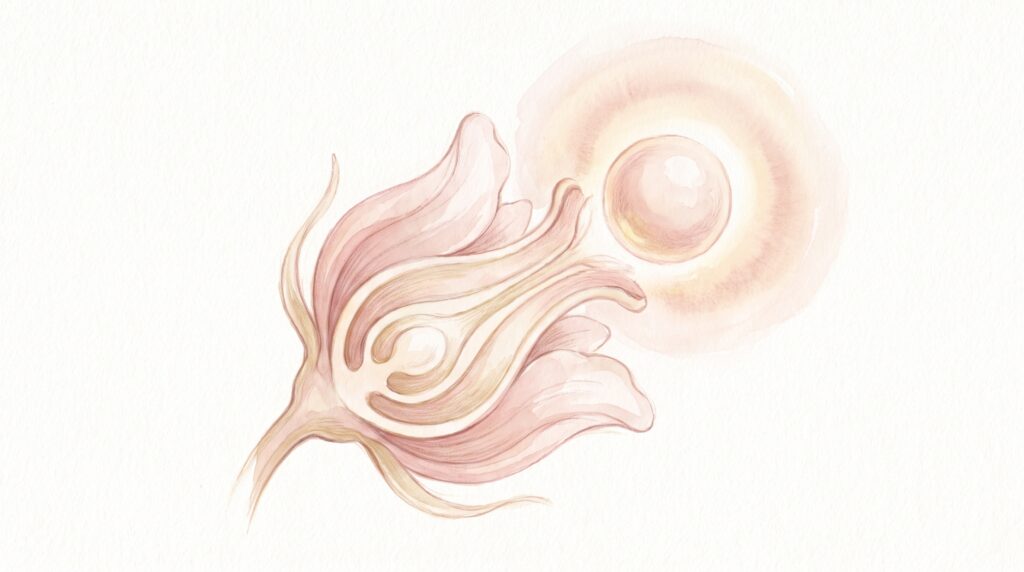
In week 2, the body prepares for ovulation — and this is when pregnancy is actually possible!
What happens What happens:
- Estrogen levels deteriorate.
- The lining of the uterus thickens.
- One or more follicles mature.
- At the end of the week – ovulation occurs!
What is ovulation: A mature egg is released from the ovary and enters the fallopian tube — here it waits for fertilization for about 12-24 hours!
Symptoms of ovulation:
- Cervical mucus changes (clear and stretchy – egg white)
- Basal body temperature is thodi buddhi.
- Sometimes mild pain in one side
Fertilization – Wow, the magical moment!
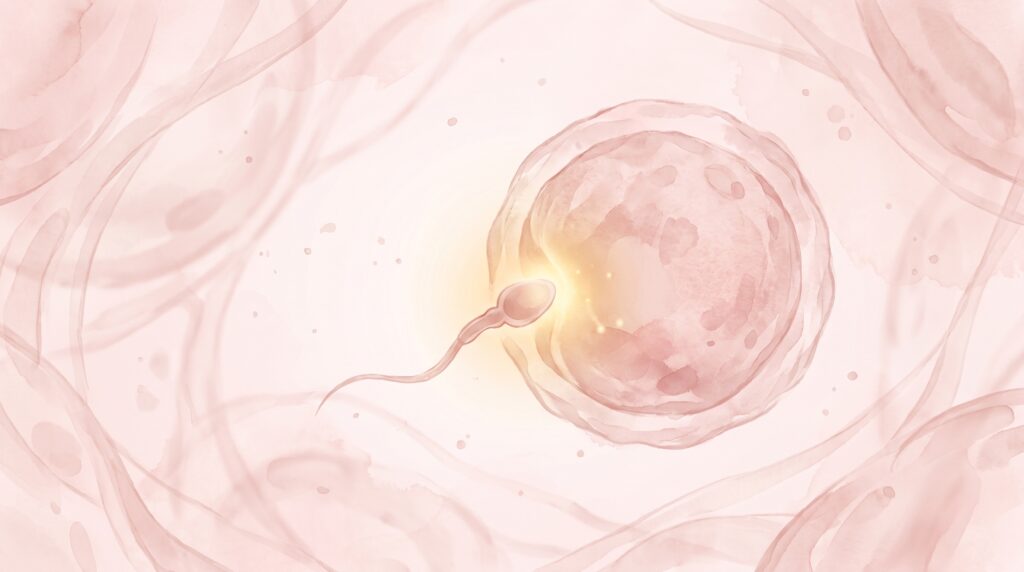
After ovulation – if sperm are available – fertilization can occur.
How fertilization occurs:
Millions of sperm enter the egg – but it’s a long and difficult journey! Many die along the way. Only a few hundred reach the fallopian tube – and can fertilize the egg!
When a sperm enters the egg – a chemical reaction occurs that prevents any other sperm from entering.
This is the moment when:
- The genetic makeup of the child completely decides what happens.
- Eye color, hair color, height – all are his second decisions.
- The sex of the baby is also decided – X or Y chromosome!
Name of the fertilized egg: zygote
Week 3 — The Journey of the Zygote
After fertilization, the zygote begins an amazing journey.
What happens: The zygote begins to divide – first 2 cells, then 4, then 8, then 16 – this division continues as the zygote slowly travels through the fallopian tube to the uterus.
Travel time: About 3-4 days
Names that change:
- After fertilization: zygote
- When dividing cells form a ball: morula
- When a hollow ball forms: the blastocyst
Blastocyst stage: Inner cells – which will become the baby Outer cells – which will become the placenta
This subdivision and differentiation occurs as this little thing moves from the fallopian tube toward the uterus — no instructions, no GPS — just nature’s wonder!
End of Week 3 / Week 4 Sharia — Transplantation!
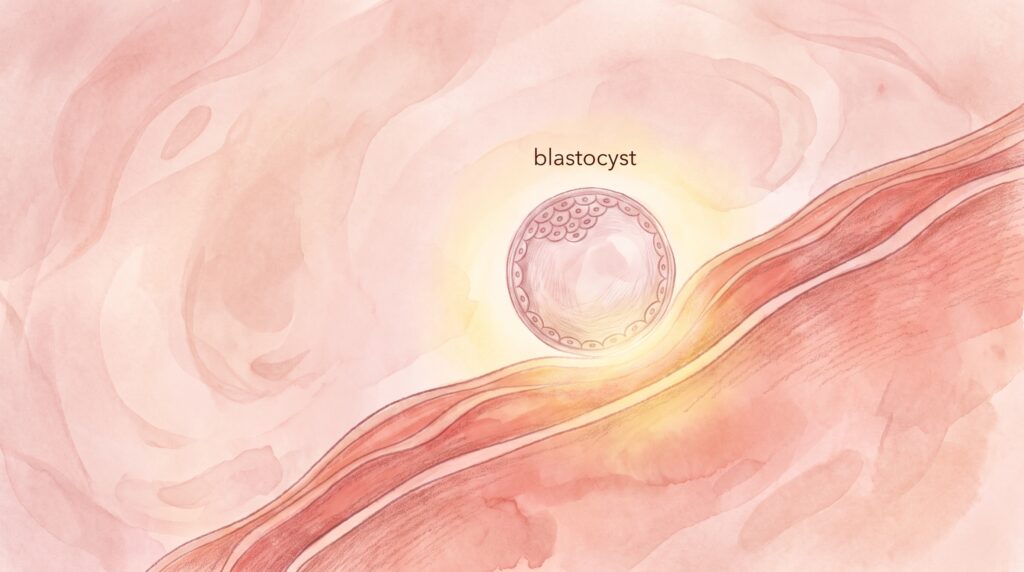
This is another critical moment in pregnancy – implantation.
What happens: The blastocyst reaches the uterus and “attaches” itself to the thick lining of the uterus (endometrium) — this process is called implantation.
How long does it take: About 6-10 days after fertilization — so usually at the end of week 3 or in week 4.
What it feels like: Some moms notice “implantation bleeding” — very light pink or brown spotting — that is separate from their period. Sometimes even lighter.
Most moms don’t feel anything — and that’s completely normal!
Week 4 — Pregnancy is confirmed!
A new story of baby development begins in week 4 — and this is the week when you may first notice that you are pregnant!
Inside the baby: After implantation, cells must divide and differentiate rapidly:
- Outer layer (trophoblast): will form the placenta
- Inner cell mass: The baby will be born.
- The amniotic sac is formed – a fluid-filled sac that will protect the baby.
- The yolk sac is formed into yolk – which provides the first nutrients
Body changes:
- It starts with the hormone hCG – this is the hormone that pregnancy tests detect!
- HCG levels double rapidly – every 48-72 hours!
Pregnancy test – when does it come positive?

This is the question every expectant mother wants to ask!
When to test: Technically after week 4 – when hCG levels are high enough to detect the test.
Most accurate time: From the day of your missed period – or after your missed period.
Early test: Some “early reaction” tests detect as early as 5-6 days before your due date – there is a risk of false negatives with early testing.
Best time of day: HCG is most concentrated in the first urine of the first day – the first urine of all is best!
The line is very faint – am I pregnant? Yes! If there is any line – no matter how faint – it is technically positive. The hCG is still developing – the line will darken in a few days
Week 4 symptoms
Every mother is different – some have a lot of symptoms, some have none at all, which is normal!
Common symptoms in week 4:
✅ Missed period – the biggest sign! ✅ Breast tenderness – due to hormones ✅ Mild pain – implantation or uterine stretching ✅ Fatigue – the body is working too hard! ✅ Light spotting – implantation bleeding ✅ Mood changes – hormonal changes ✅ Nausea – sometimes starts in week 4 (morning sickness usually starts in week 6) ✅ Frequent urination – the kidneys start working harder. ✅ Food aversions or cravings – hormones!
Baby Size – At Week 4
How big is the baby (technically a blastocyst/embryo) at the end of week 4?
Size: About 0.1 mm — that’s smaller than a poppy seed (sesame)!
But it’s small in size — it’s already decided:
- Gender
- Eye color
- Hair color
- Height potential
- The entire genetic makeup.
How amazing is this!
Important — What Crane in Week 4
If you find out you are pregnant – take these steps:
✅ Doctor to Melin – Prenatal care quickly ✅ Take folic acid — if you haven’t — start taking it today. ✅ Stop drinking alcohol and smoking completely. ✅ Checks medications — any new medication should be prescribed by a doctor. ✅ Start eating healthy. ✅ Stressful work ✅ Get adequate rest.
Quick timeline – first 4 weeks
| Week. | What happens? |
|---|---|
| Week 1 | Period – The body is flying. |
| Week 2 | Ovulation – release of an egg |
| Week 2-3 | Fertilization – a zygote is formed |
| Week 3 | Zygote divides, travels through the fallopian tube |
| Week 3-4 | Implantation – attachment to the uterus |
| Week 4 | hCG is produced, pregnancy test positive |
Frequently Asked Questions
Q: Is it possible to feel pregnant in the first trimester? Some mothers experience a lot of symptoms (fatigue, breast tenderness, mild nausea), some do not at all. Don’t worry, it’s normal!
Q: When to take a pregnancy test? The day or day of your missed period – this is the most accurate time. Some early tests work even 5-6 days before.
Q: What is the difference between implantation bleeding and a period? Implantation bleeding is very light (pink or brown), short-lived (1-2 days), and usually does not cause pain like a period.
Q: Can you see the baby on an ultrasound at week 4? The baby is so small at week 4 that it is not visible on an ultrasound. Usually, the first heartbeat is detected on an ultrasound at weeks 6-8.
Q: What if the pregnancy test is negative but your period has not come – what should I do? Test again in 2-3 days – hCG levels are rising and may come back positive after a while. If you are still concerned – see a doctor.
The last thing
Week 1 to Week 4 — This first month — marriage is the most important month of your life that you didn’t even know you had!
A microscopic cell begins the process of a poor life — silently, silently, without permission. This process of nature does not work by any miracle
And that first positive test — that line — no matter how faint — is the first sign of a new life. A small sign is going to change everything.
We celebrate this on the beat of a small heart — these first moments, these small beginnings. 🌸
Share that moment of your positive test in the comments! And follow our TikTok for more amazing facts like this every day!
This article is for educational purposes only. Once you are pregnant, see your doctor for prenatal care.